The Inaugural Summit of the Pathways to Freedom Africa Network (PFAN) was held in Abuja, Nigeria, from 19–20 May 2026 under the theme “Inclusive Strategies for Ending Human Trafficking: Reaching the Most Marginalised.”
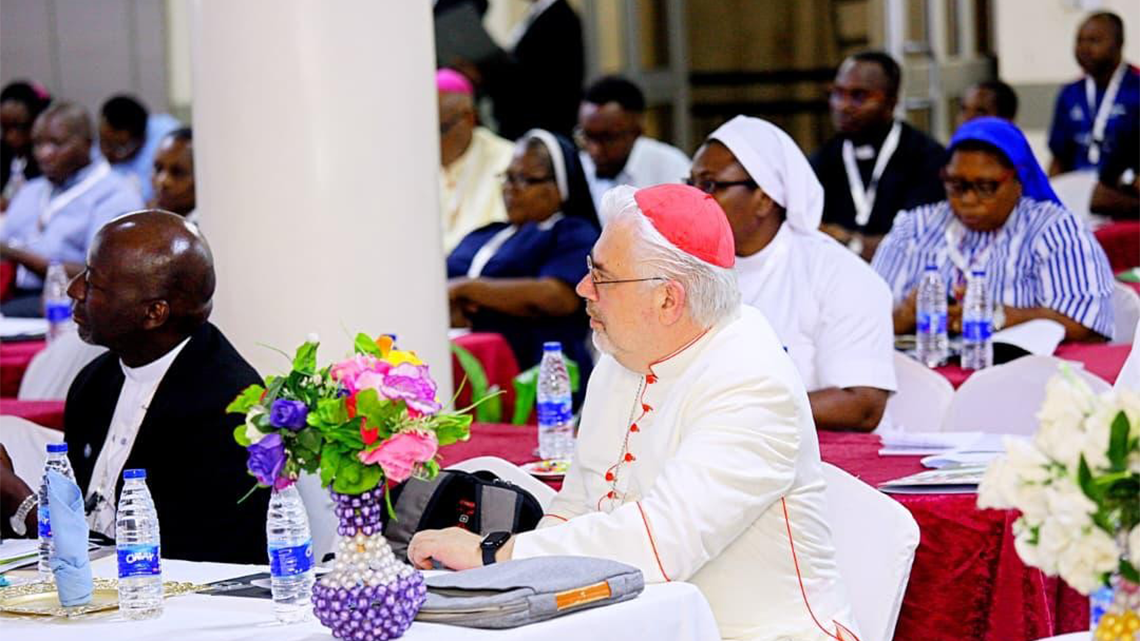
The summit brought together more than 100 participants from across Africa and beyond, including Catholic bishops, government officials, United Nations agencies, civil society organisations, survivor advocates, persons with disabilities, and development partners.
The gathering marked a significant milestone in the fight against human trafficking by formally launching PFAN as a permanent pan-African, multi-sector network dedicated to combating trafficking and supporting survivors.
The summit built upon the legacy of the 2018 Santa Marta Africa Conference, which promoted collaboration between Church and State in addressing human trafficking.
PFAN was created to provide a permanent institutional framework for the informal networks and partnerships that emerged from the 2018 conference and have continued to develop across Africa.
A defining feature of the summit was its commitment to inclusivity. Twenty-two participants, representing 21% of attendees, were persons with disabilities. Comprehensive accessibility measures included sign-language interpretation, wheelchair-accessible transportation, quiet rooms, and dedicated accessibility support teams. This commitment reflected the summit’s guiding principle that nobody should be excluded in the fight to combat human trafficking.
Keynote presentations highlighted the urgency of coordinated action against trafficking. Representatives from CBM International, an international development organisation dedicated to assisting persons with disabilities, emphasised the need to place survivors and disability-rights groups at the centre of anti-trafficking efforts.
The United Nations Office on Drugs and Crime (UNODC) stressed the gap between legal frameworks and effective implementation, calling for stronger cross-border cooperation and survivor-centred justice systems.
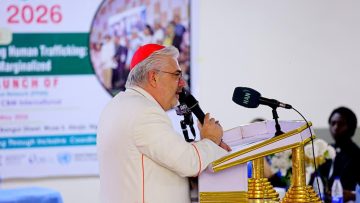
Cardinal Fabio Baggio, representing the Vatican, reaffirmed the Church’s commitment to combating modern slavery and outlined pastoral priorities including prevention, identification, survivor support, and reintegration.
In an interview given to the Catholic Bishops’ Conference of England and Wales (CBCEW) during the Summit, Cardinal Baggio said, “What is happening here is important, with the connection between the local African churches together with the churches of Europe and the UK. Today, modern slavery is a scourge, a wound to humanity. We have slaves, modern slaves, everywhere. This is why we should be raising awareness together. Connecting churches bilaterally, internationally – that is what will make us stronger.
“We have to start with the awareness and sensitivity of the pastors, of bishops, priests, religious men and women, but then go directly to our community so that everybody can be engaged.”
Among the summit’s most important achievements was the adoption of a binding PFAN Action Agenda (2026–2028). This roadmap sets out specific actions, timelines, responsible actors, and measurable indicators for implementation.
Key commitments include establishing five regional African hubs with representation for persons with disabilities, developing an inclusive safeguarding framework, piloting training programmes in four countries, creating a continental Knowledge Commons platform, and expanding the GrowEdo model to three additional countries. GrowEdo is a project which invests in vulnerable young adults, helping them to become agribusiness entrepreneurs and to find a reason to stay in Nigeria.
The summit also witnessed the signing of a Founding Partner Declaration by organisations including UNODC, Christian Blind Mission (CBM) International, the National Agency for the Prohibition of Trafficking in Persons (NAPTIP), the United Nations High Commissioner for Refugees (UNHCR), Expertise France, and Caritas Nigeria, signalling broad commitment to PFAN’s objectives.
Fr Mark Odion, Policy and Research Analyst at CBCEW and a co-organiser of the Summit said, “The inaugural PFAN Summit represents a landmark moment in Africa’s response to human trafficking. It has shown that when faith communities, governments, international organisations, civil society, and survivors come together with a shared purpose, we can build a stronger and more coordinated response to this crime.
“What makes this Summit particularly significant is its commitment to inclusion, ensuring that those who are often overlooked, especially persons with disabilities and other marginalised groups, are fully involved in shaping solutions. PFAN provides a lasting platform for collaboration, learning, and action across the continent, and I am confident that the partnerships forged here will help create pathways to freedom for many vulnerable people.”
Looking ahead, PFAN will focus on establishing its governance structures, launching training programmes, developing ethical data-sharing systems, creating community prevention initiatives, strengthening inclusion standards, and promoting regional cooperation through partnerships with organisations such as ECOWAS and the African Union.
The summit reaffirmed the vision of “Church and State working together” and laid the foundation for a coordinated continental response to human trafficking. Progress will be reviewed at the next PFAN General Assembly, scheduled to take place in Kenya in 2028.