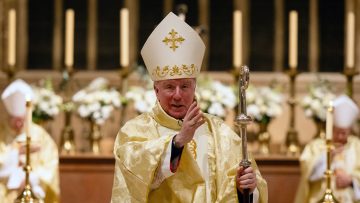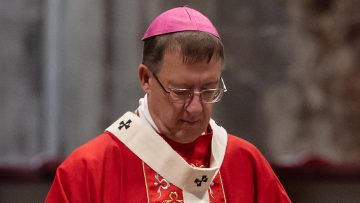
Archbishop Mark O’Toole, Archbishop of Cardiff-Menevia, and Bishop Peter Brignall, Bishop of Wrexham, have issued a joint statement ahead of a Senedd debate and vote on assisted suicide legislation.
On Tuesday 27 January Members of the Senedd will be asked to decide whether Wales should give its consent to Westminster’s Terminally Ill Adults (End of Life) Bill — a law that would legalise assisted suicide.
The Bishops express their deep concern for the proposal which would “represent a profound change in how society responds to those who are terminally ill”, and propose instead to “strengthen palliative and end-of-life care so that every person can live their final days with dignity, comfort, and peace.”
On Monday 26 January, the eve of the vote, the Bishops invite those who can to observe a day of fasting “to be in solidarity with those who are most vulnerable to the proposed Bill, and that those intent upon passing it, may undergo a change of heart.”
If you live in Wales, you can write to your MS to oppose assisted suicide using this form.
As the Senedd prepares to debate and vote on whether to give legislative consent to Westminster’s Terminally Ill Adults (End of Life) Bill, we wish to express our deep concern about the proposal to legalise assisted suicide and the serious implications this would have for Wales.
If enacted, this Bill would introduce assisted suicide into law and represent a profound change in how society responds to those who are terminally ill. In our view, it would place many vulnerable people at greater risk. International experience shows that where assisted suicide is legalised, eligibility criteria tend to expand over time, the number of deaths increases, and subtle but real pressure is placed on people who are elderly, disabled, or who fear becoming a burden on others.
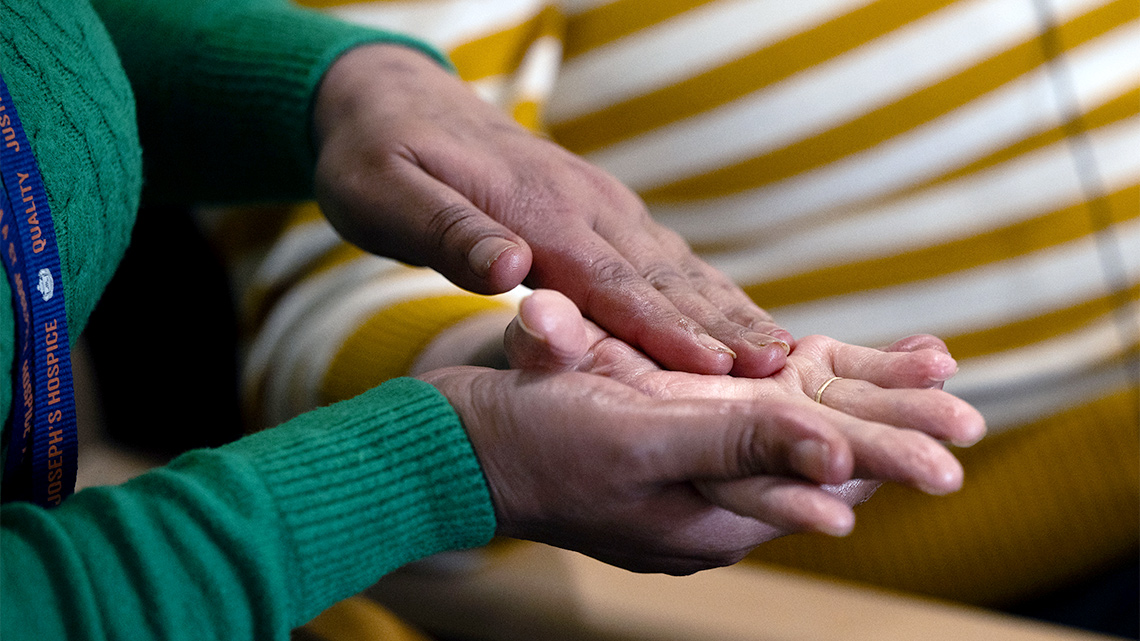
Wales has a long and proud tradition of compassion and of valuing the dignity of every human life. That tradition is reflected in the way our communities, health services, and voluntary organisations seek to care for those who are suffering or approaching the end of life. True compassion does not mean ending a life. It means accompanying those who suffer, easing their pain, supporting families, and ensuring that no one feels abandoned, burdensome, or without worth.
The Catholic community in Wales, through its parishes, schools, chaplaincies, and charitable work, is deeply committed to supporting people at every stage of life — particularly those who are ill or dying.
We believe that the right response to suffering is not to hasten death, but to strengthen palliative and end-of-life care so that every person can live their final days with dignity, comfort, and peace.
We therefore urge Members of the Senedd, as they consider this Legislative Consent Motion, to withhold consent for this Bill and to continue focusing on policies that protect the vulnerable and uphold the value of life until its natural end. Given the very serious nature of this moment, and the changes it would bring to our society, we invite Catholics and all people of goodwill to pray and reflect carefully.
On Monday 26 January we invite those who can across Wales, to observe a day of fasting, to be in solidarity with those who are most vulnerable to the proposed Bill, and that those intent upon passing it, may undergo a change of heart. Let us all make our voices heard by engaging respectfully with our elected representatives ahead of this important decision for Wales.
Yours Devotedly,
Most Rev Mark O’Toole, Archbishop of Cardiff-Menevia
Rt Rev Peter Brignall, Bishop of Wrexham
Wrth i’r Senedd baratoi i ddadlau a phleidleisio ynghylch a ddylid rhoi cydsyniad deddfwriaethol i Fesur Seneddol Oedolion sy’n Derfynol Wael (Diwedd Oes) San Steffan, hoffem fynegi ein pryder mawr am y cynnig i gyfreithloni hunanladdiad â chymorth a goblygiadau difrifol hyn i Gymru.
Pe bai’n cael ei ddeddfu, byddai’r Mesur hwn yn cyflwyno hunanladdiad â chymorth i gyfraith ac yn cynrychioli newid llwyr yn y ffordd y mae cymdeithas yn ymateb i’r rhai sy’n derfynol wael. Yn ein barn ni, byddai’n rhoi llawer o bobl gweinion mewn mwy o berygl. Mae profiad rhyngwladol yn dangos, lle mae hunanladdiad â chymorth yn cael ei gyfreithloni, bod meini prawf cymhwyster yn tueddu i ehangu dros amser, mae nifer y marwolaethau yn cynyddu, a phwysau cynnil ond gwirioneddol yn cael ei roi ar bobl oedrannus, anabl, neu sy’n ofni dod yn faich ar eraill.
Mae gan Gymru draddodiad hir a balch o dosturi ac o werthfawrogi urddas pob bywyd dynol. Adlewyrchir y traddodiad hwnnw yn y ffordd y mae ein cymunedau, gwasanaethau iechyd, a sefydliadau gwirfoddol yn ceisio gofalu am y rhai sy’n dioddef neu’n nesáu at ddiwedd oes. Nid yw gwir dosturi yn golygu dod â bywyd i ben. Mae’n golygu mynd yn gwmni i’r rhai sy’n dioddef, lleddfu eu poen, cefnogi teuluoedd, a sicrhau nad oes neb yn teimlo’n unig, yn feichus, neu heb werth.
Mae’r gymuned Gatholig yng Nghymru, drwy ei phlwyfi, ei hysgolion, ei chaplaniaethau, a’i gwaith elusennol, wedi ymrwymo’n ddwfn i gefnogi pobl ar bob cam o’u bywyd—yn enwedig y rhai sy’n sâl neu’n marw. Credwn mai nid cyflymu marwolaeth yw’r ymateb cywir i ddioddefaint, ond cryfhau gofal lliniarol a diwedd oes fel y gall pob person fyw ei ddyddiau olaf gydag urddas, cysur a heddwch.
Rydym felly’n annog Aelodau’r Senedd, wrth iddynt ystyried y Cynnig Cydsyniad Deddfwriaethol hwn, i atal caniatâd ar gyfer y Mesur hwn ac i barhau i ganolbwyntio ar bolisïau sy’n amddiffyn pobl agored i niwed ac sy’n cynnal gwerth bywyd tan ei ddiwedd naturiol. O ystyried natur ddifrifol iawn y foment hon, a’r newidiadau a ddaw yn ei sgil i’n cymdeithas, rydym yn gwahodd Catholigion a phawb sydd ag ewyllys da i weddïo a myfyrio’n ofalus.
Ddydd Llun 26ain Ionawr rydym yn gwahodd y rhai sy’n gallu, ledled Cymru, i arsylwi diwrnod o ymprydio, i fod mewn undod â’r rhai sydd fwyaf agored i niwed i’r Mesur arfaethedig, ac y gallai’r rhai sy’n bwriadu ei basio, newid eu calon. Gadewch inni i gyd leisio ein barn drwy ymgysylltu’n barchus â’n cynrychiolwyr etholedig cyn y penderfyniad pwysig hwn i Gymru.
Yr eiddoch yn ymroddgar,