The Confraternity of Pilgrims to Rome have announced the formal recognition of the Francigena Britannica from London to Canterbury.
On 18 October 2024 a meeting was held at Monte Sant’ Angelo in southern Italy to make a final presentation of the case for the Francigena Britannica to be formally recognised by the General Assembly of the European Association of the Vie Francigene (EAVF).
The vote to approve the Francigena Britannica as the Via Francigena link between London and Canterbury was unanimous and permission has now been granted for it to be marked with Via Francigena signage.
Nick Dunne, Chair of Trustees of the Confraternity of Pilgrims to Rome, said:
“A walking or cycling pilgrimage is a physical and spiritual adventure. Joining London to Canterbury, the formal recognition of the Francigena Britannica as the northern extension of the Via Francigena provides more opportunities for people to discover pilgrimage in England before the very different experiences of France, Switzerland and Italy. Church communities along the Francigena Britannica are now directly connected to the great journey to Rome and they can celebrate this among themselves and with pilgrims who pass their doors.”
Phil McCarthy, lead of the Hearts in Search of God project, said:
“The recognition of the Francigena Britannica is an important moment for walking pilgrimage in England and Wales, part of the rediscovery and revitalisation of this ancient practice in the UK. The Confraternity of Pilgrims to Rome have done a wonderful job to achieve this. Catholic pilgrims will now be able to follow the Via Francigena from our capital city to St Peter’s in the Vatican City.”
The Via Francigena is an historic 2000-kilometre pilgrim way from Canterbury to Rome.
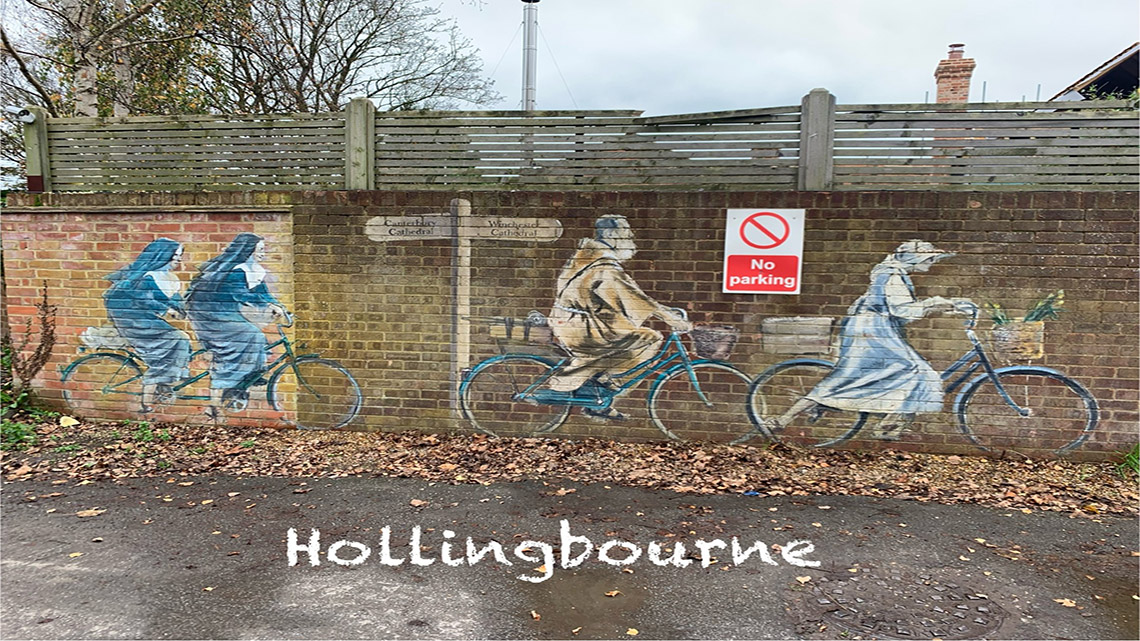
It follows the route described by Sigeric, Archbishop of Canterbury, on his journey back from Rome in AD 990 after receiving his pallium, or cloak of office, from Pope John XV.
Sigeric instructed one of his party to record the 79 stages of the return to Canterbury. Sigeric’s De Roma ad usque Mare, which is preserved in the British Library, forms the basis of today’s Via Francigena from Canterbury to Rome across southern England, France, Switzerland and Italy.
Work has been underway since 2019 to develop the Francigena Britannica as a northern extension of the Via Francigena connecting London with the start of the historic Via Francigena at Canterbury.
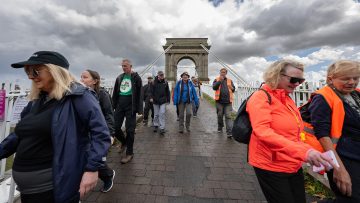
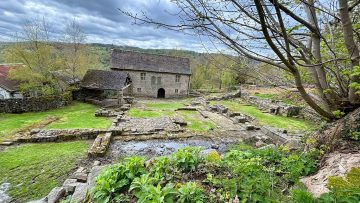
Today’s extended route adds 140km to the Via Francigena. The new route takes walkers from Southwark Cathedral through the Darent Valley, along the North Downs Way and Stour Valley Path to Canterbury. The route passes the Greenwich UNESCO World Heritage Site, Eynsford Castle, Otford Palace, Aylesford Priory and tranquil chalk grasslands, woods and orchards.
Speaking of his hopes for the future of pilgrimage in England and Wales following this significant milestone, Nick Dunne said:
“On a pilgrim route, people of very different backgrounds often have very profound, spiritual conversations. These ‘pilgrim conversations’ enrich the journey and my hope is that they can also enrich the church communities that pilgrims pass through and return home to. At a time when formal church attendance is declining, the numbers who are walking or cycling long distance pilgrim routes increase each year. Travelling pilgrims need the hospitality of the settled communities they pass through and parish churches need the adventure and enquiry that pilgrims bring to them. Pilgrim routes like the Francigena Britannica can stimulate these encounters which enrich the soul.”
Details of the new Francigena Britannica route and how to undertake a pilgrimage along it can be found here.
Photo credit: Kim Baker