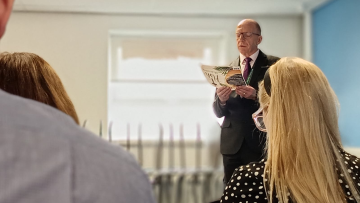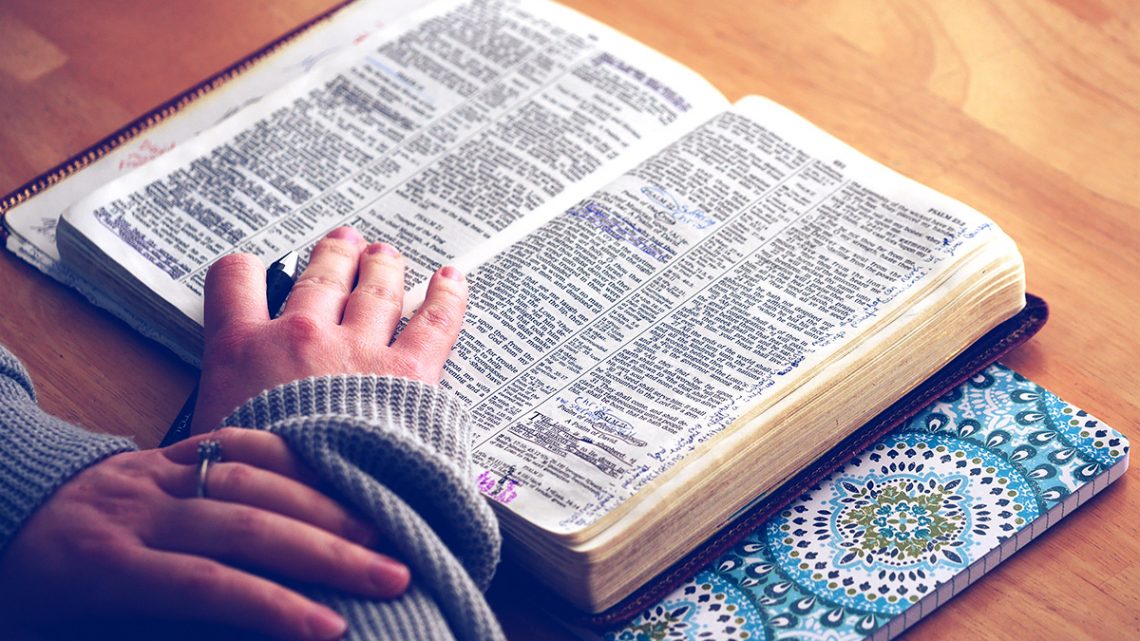
Lent is a time when we are invited to deepen our relationship with Scripture, particularly through listening to and engaging with the Word of God. Contributing to this month’s At the Foot of the Cross podcast, Fleur Dorrell, our Biblical Apostolate Manager explores how we can make our engagement with the Bible a habit for life, not just for Lent.
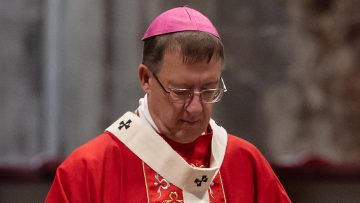
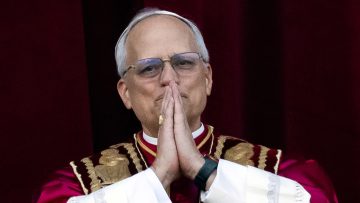
Pope Leo, in his Lenten message, encourages Catholics to be open to the Word and its transformative potential:
“Every path towards conversion begins by allowing the word of God to touch our hearts and welcoming it with a docile spirit. There is a relationship between the word, our acceptance of it and the transformation it brings about. For this reason, the Lenten journey is a welcome opportunity to heed the voice of the Lord and renew our commitment to following Christ, accompanying him on the road to Jerusalem, where the mystery of his passion, death and resurrection will be fulfilled.”
We have extracted Fleur’s Scriptural reflection from February’s episode of At the Foot of the Cross and have reposted as a standalone Catholic News podcast. Not so much a ‘Bible for Dummies’ piece, more a very useful 17-minute explainer.
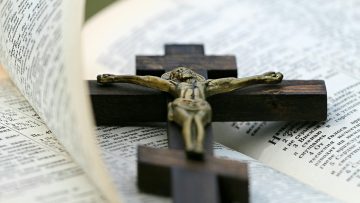
The word Bible comes from the Greek biblos – βίβλος – simply meaning ‘book’ or ‘scroll’. Catholics tend to use the word ‘Scripture’ from the Latin word for writing, emphasising the sacred nature of the writing – more than just a physical book.
The Bible is a collection of 73 books: 46 in the Old Testament, 27 in the New Testament. These texts were inspired by the Holy Spirit and written by multiple authors in three different languages – Hebrew, Greek and Aramaic and over the course of many years – from about 1450 BC to 95 AD.
“The majority of the Bible is made up of literature – such as stories, songs, poetry, personal reflections, histories, and family trees,” says Fleur. “Scripture tells us of how God intervenes in the lives of people, families, towns and nations – all human life is here, all human emotions laid bare. It is their story – it is our story.”
The length and depth of the Bible may seem overwhelming to some, but St Gregory the Great once said, “Scripture is deep enough for elephants to swim in and shallow enough for lambs to paddle in.” This gives us permission to start small. You don’t need to read a lot of the Bible for it to have an impact. Just a few words or one sentence can transform your heart and your day. Fleur suggests starting with a psalm or a parable.
Balancing texts from both the Old and New Testament helps us understand the relationship between the two, and the context in which Jesus lives and dies, teaches and saves.
Scripture reading groups are a great way to engage with the Word of God. They can be useful for exploring how the Word speaks to us personally whilst sharing together our reflections on the more challenging parts of the Bible.
There are other helpful tools and techniques that can help us to further our understanding of Scripture.
Lectio Divina is an exercise of reading the same text several times and prayerfully reflecting at each stage over a longer period.
There is also Visio Divina where we reflect on a text using biblical art to engage our senses visually.
The Bible can help us to discern wisely how to handle big decisions or changes in our life, or it can help us to pray more humbly about our own situations or the needs of others when we allow the Holy Spirit to gently guide us rather than just bringing a list of requests to God.
We can sit with a text from Scripture throughout the day letting its meaning unfold at work, commuting or doing chores, or we can be inspired from a text or story about injustice in the Bible to commit to social action in our neighbourhood.
Fleur gives a final piece of advice: “Start small and make it your lifetime’s commitment – not just for one month. A little of the Scriptures every day is better than intense chunks now and then.”
The God Who Speaks website contains more ideas and resources for engaging with Scripture.
The Word of God is a living bread, the food of the soul. Let it sink into your inmost heart and pass into your affections and way of life. Eat plentifully of it and your soul will rejoice.
St Bernard of Clairvaux